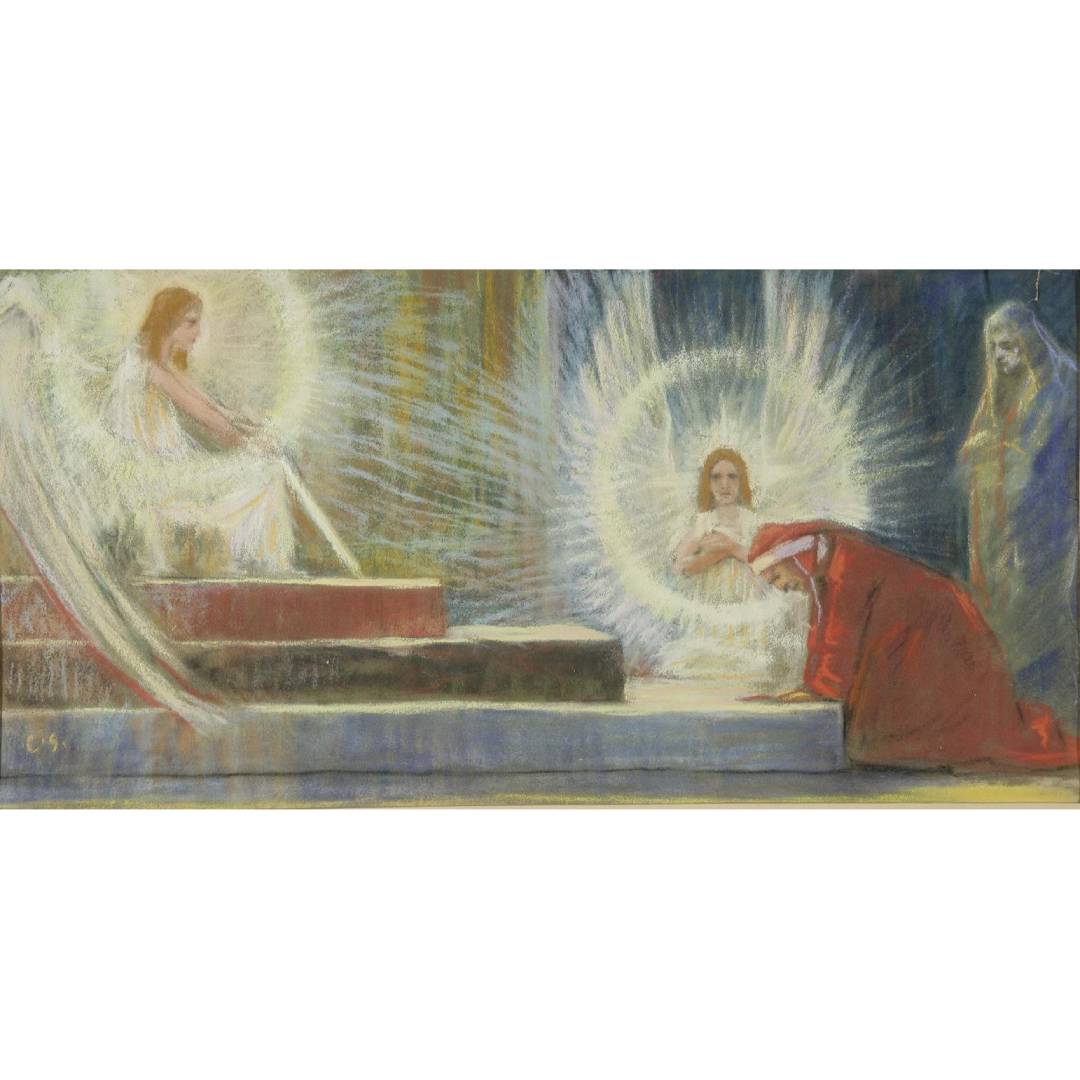
Bela Čikoš Sesija, From Dante’s Inferno, 1904

Bela Čikoš Sesija
From Dante’s Inferno, 1904
Pastel on paper
24.7 × 49.2 cm
MG-523

Bela Čikoš Sesija (1864–1931) is regarded as one of the most important representatives of Symbolism in Croatia. He studied painting at the Academy in Vienna under Julius Berger and Leopold Karl Müller, and later specialized in Munich under Wilhelm von Lindenschmit. He undertook two study trips to Italy, primarily to study classical heritage in order to realize Izidor Kršnjavi’s programme for the artistic decoration of the building of the Department of Worship and Education. In April 1892 he travelled to Venice, Padua, and Florence, while his second journey was connected with a stay in the vicinity of Naples during 1893–1894, when, following the tradition of European Grand Tour artists, he painted plein-air landscape studies.
Upon returning to Zagreb, he collaborated with Vlaho Bukovac, as evidenced by his painting Bukovac While Painting How Gundulić Imagines Osman (1894). He subsequently attended the school of Carl von Marr in Munich. In 1895, Čikoš returned to Zagreb, where he remained artistically active until the end of his life. His pedagogical role in Croatian art was of great significance: from 1907 he worked as a professor at the Higher School of Arts and Crafts in Zagreb, which in 1921 developed into the Academy of Fine Arts.
Rendered in indistinct pastel tones, Dante is depicted kneeling at the foot of stone steps, dressed in red and white garments. At the top of the steps, shown in profile, sits a winged angel holding a sword, surrounded by a luminous halo. To the side of Dante, in the right half of the composition, another angel is shown frontally, also encircled by a halo of light. Along the right edge of the image, against a bluish background, stands a pale figure wrapped in a long hooded cloak.
Čikoš’s pastel From Dante’s Inferno, created in 1904, continues the tradition of his painting from the 1890s. In selected works from this period, we observe the characteristic application of a variant of the Divisionist technique, marked by linear, stroke-like brushwork, subdued chromatic range, and mixed tones serving a Symbolist mode of expression. This approach was popularized and modified within the Central European context, particularly in Vienna. Compared to Bukovac—who was among Croatian painters, and later at the Academy in Prague, the principal disseminator of this painting technique—Čikoš demonstrates a more pronounced inclination toward literary themes, characteristic of Symbolism. This is evident in works employing the described Divisionist variant, such as Walpurgis Night (1896), Dante Before the Gates of Purgatory (1898), and Athena Kissing Psyche (Inspiration) (1898).

Text: Ivana Rončević Elezović, Phd, museum advisor at the National Museum of Modern Art © National Museum of Modern Art, Zagreb
Photo: Goran Vranić © National Museum of Modern Art, Zagreb
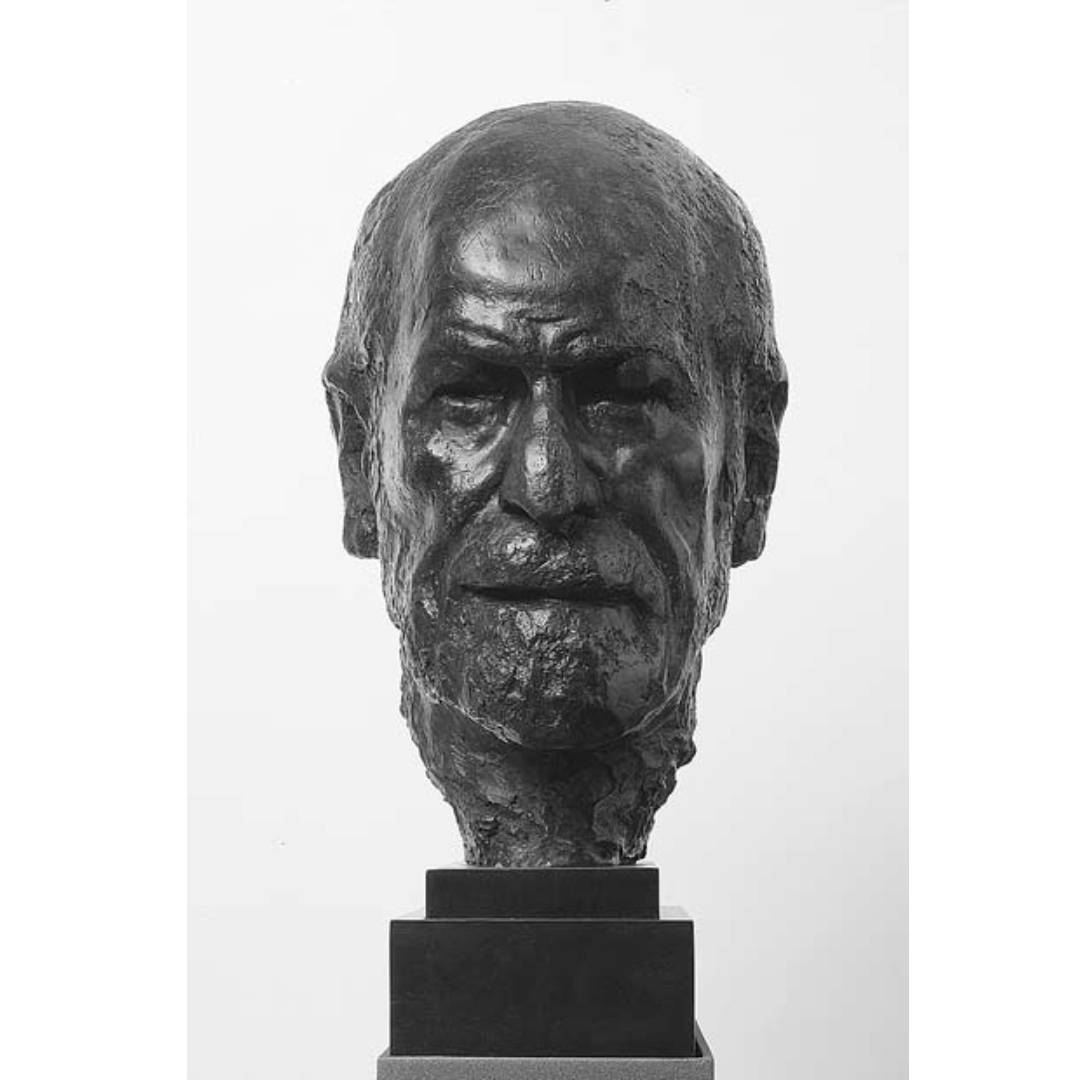
Oscar Nemon, Portrait of Sigmund Freud

Oscar Nemon
Portrait of Sigmund Freud, 1938
bronze, cast
40 × 30 × 35 cm
MG-6984

Oscar Nemon - "Portrait of Sigmund Freud" (1938)
Freud's last portrait is the work of Oscar Nemon (1906 – 1985), a sculptor of Jewish origin from Osijek. Nemon studied at the Vienna Kunstgewerbeschule, was an active member of the Viennese social world in the 1920s, and was friends with representatives of the Vienna Secession. He moved into the circle of avant-garde artists such as Arnold Schönberg, Franz Marc, and Wassily Kandinsky. He graduated from the Royal Academy of Fine Arts in Brussels, belonged to the circle of Belgian surrealists, and was friends with René Magritte.
The Association of Psychoanalysts in Vienna invited Nemon to make a portrait of Freud on his seventy-fifth birthday. Nemon met Freud in 1931. Agreeing to pose for the young artist was the beginning of a friendship connected, among other things, by Jewish origin. From 1931 to 1938, Nemon made a series of drawings, sketches, and studies of the sculptural portrait of Sigmund Freud during different phases of his life and work.
The 1938 portrait of Sigmund Freud, donated to the National Museum of Modern Art, is the culmination of this friendship and artistic exploration. Freud, the founder of psychoanalysis, tried to reveal the mysterious Other hidden from the insight of the conscious knower with his work. Nemon's interpretation of Freud's face reflects the depth of his mind and the complexity of psychoanalytic thought. The bust shows the external facial features and the spiritual complexity of one of the most influential thinkers of the modern era.

Text: Marta Radman, curator at the National Museum of Modern Art, Zagreb
Translated by: Marta Radman
Photo: Goran Vranić © National Museum of Modern Art, Zagreb

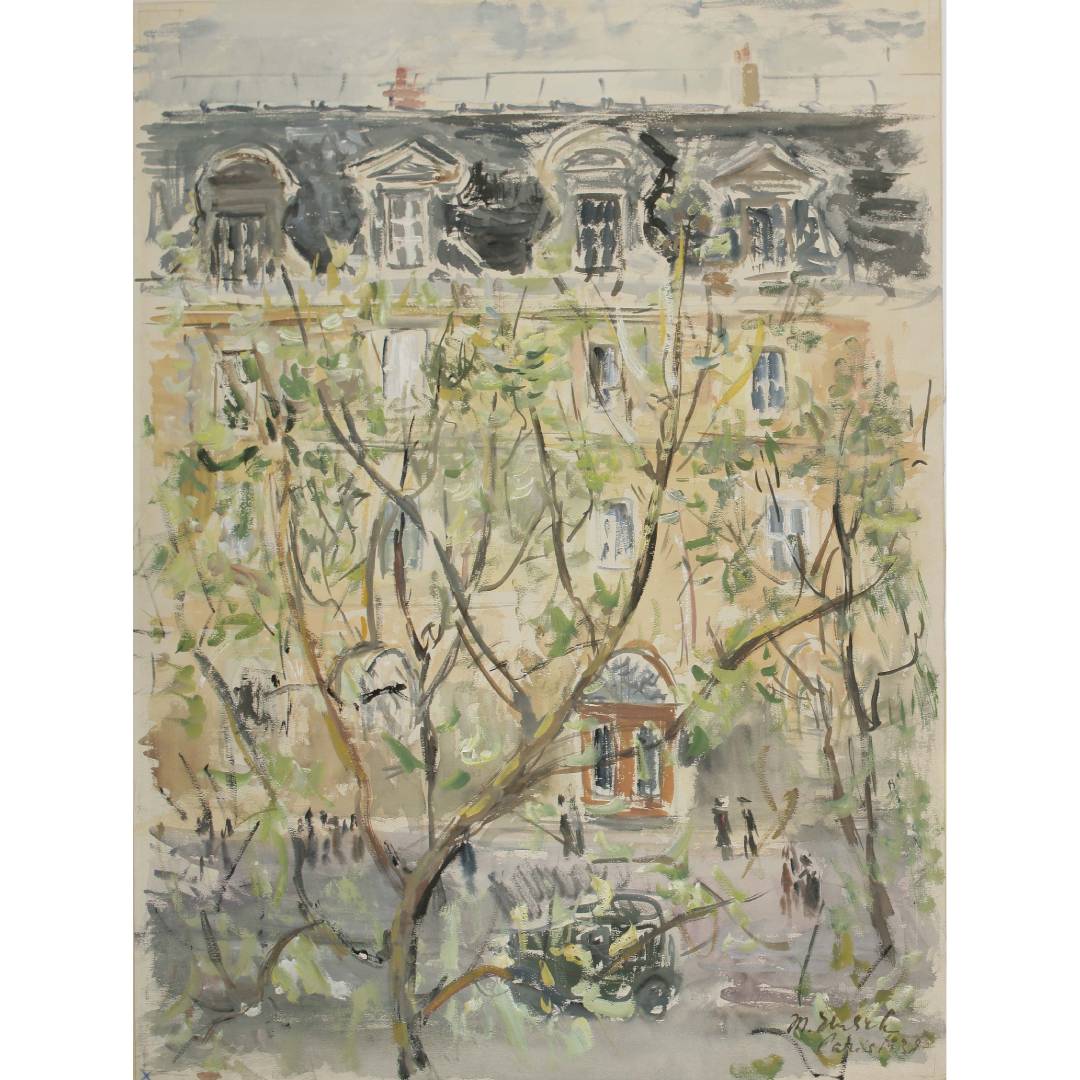
Marta Ehrlich, Lycée Saint-Louis, Paris, 1938

Marta Ehrlich
Lycée Saint-Louis, Paris, 1938
gouache on paper
62.5 × 46.6 cm
MG-1248

Marta Ehrlich (Zagreb, 1910–1980) was a prominent Croatian painter of the 20th century. She graduated in painting from the Academy of Fine Arts in Zagreb in 1934 as a private student of Vladimir Becić, and spent the following year on a study stay in Paris. In the early phase of her work, she drew on Becić’s painterly influence, while in later years she moved closer to a Surrealist poetic approach. She most often painted city views, landscapes, interiors, and still lifes, developing an intimate and imaginative painterly expression. During the 1960s, she increasingly devoted herself to ceramics, producing small-scale sculptures, painted tiles, and plates, while in painting she turned towards abstract expression in the spirit of Art Informel.
At the time of creating the painting Lycée Saint-Louis, Paris, the artist was staying in Paris, where she produced numerous Parisian cityscapes and landscapes in gouache and oil. Simultaneously, her artistic approach became increasingly focused on conveying a poetic and intimate atmosphere, reflecting personal introspection. The Lycée Saint-Louis, a secondary school located in Paris, dominates the central part of the composition. It stands out with its elegant façade and characteristic Parisian roof, including dormer windows and decorative details. The foreground is partially obscured by a tree with slender branches and green leaves. In this work, the artist combines a realistic depiction of the Parisian setting with a subjective, poetic view of Parisian architecture glimpsed through the trees, in keeping with Post-Impressionist tendencies.

Text: Luciana Fuks, Curator for Museum Documentation at the National Museum of Modern Art © National Museum of Modern Art, Zagreb
Photo: Goran Vranić © National Museum of Modern Art, Zagreb
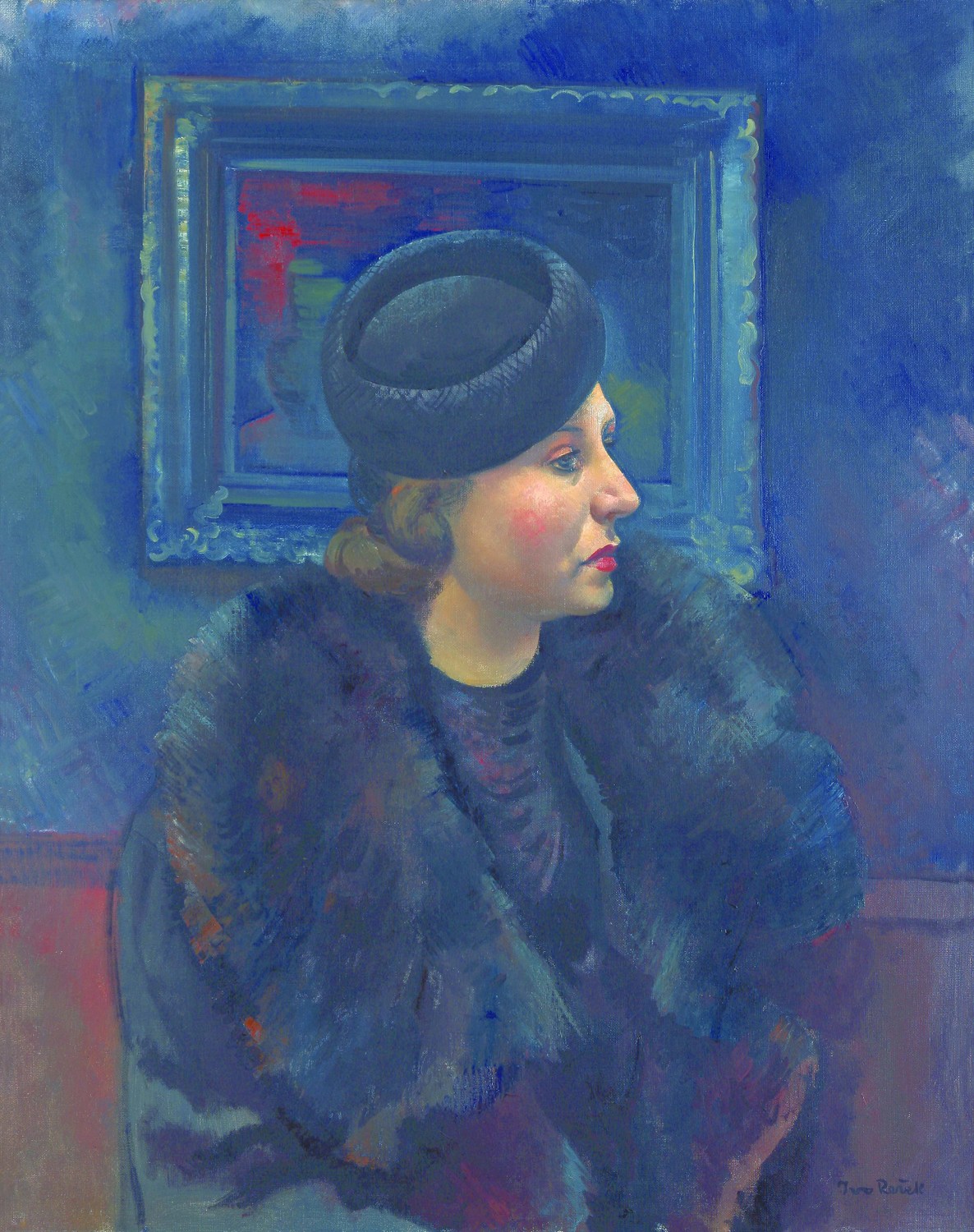
Ivo Režek Portrait of My Wife Marija, 1939

Ivo Režek
Portrait of My Wife Marija, 1939
oil on canvas
79 × 62.8 cm
MG-1143

In Portrait of My Wife Marija, Ivo Režek depicts a female figure shown in profile, set within an interior rendered in almost monochromatic blue tones. This restrained palette creates a calm, intimate atmosphere characteristic of his Magical Realist approach of the 1930s. The figure is monumentalized through clear contours and firmly modeled volumes, while softly graduated transitions of light and shadow emphasize the refinement of facial features and the elegance of the attire.

The fur collar, dark hat, and subtly pink complexion form a strong chromatic contrast with the cool background, intensifying the psychological isolation of the portrayed woman. In the background, a framed painting appears—a motif that introduces an additional spatial and symbolic layer, contributing to the magical-realist suggestiveness of the scene not only through description but also through a quiet narrative charge.

Here, Režek combines Cézannian discipline in the construction of volume with a later inclination toward clarity of form and poetic distance, creating a portrait in which refined psychological insight, subtle chromatic harmony, and structural stability function as a unified whole. The work demonstrates the artist’s interest in elegance and introspective atmosphere, while the profile view, discreetly dramatized by side lighting, accentuates the dignity and mystery of the female figure.

Ivo Režek (1898–1979) was a Croatian painter, graphic artist, and caricaturist. He was educated in Prague, where he graduated from the Academy of Fine Arts in 1924, and later specialized in fresco painting in Paris in 1928 under Marcel Lenoir. In his early works, he drew on Cézanne’s approach to modeling volume and the tradition of the Munich School. By the mid-1920s, he worked in the spirit of the Neoplastic tendencies of André Derain and Pablo Picasso, developing Magical Realist compositions of female nudes, bathers, and monumentalized portraits. During the 1930s, he focused on psychological portraits, still lifes, and motifs from his native Zagorje region. After the Second World War, he continued to pursue a realist treatment of landscapes and coastal scenes. Režek also illustrated books (A. Kovačić, U registraturi, 1944; M. Krleža, The Battle of Bistrica Lesna, 1958) and worked as a caricaturist under the pseudonym Ives, collaborating with the magazines Kopriva and Kerempuh.

Text: Lorena Šimić Majić, Curator / Museum Educatorat the National Museum of Modern Art © National Museum of Modern Art, Zagreb
Photo: Goran Vranić © National Museum of Modern Art, Zagreb
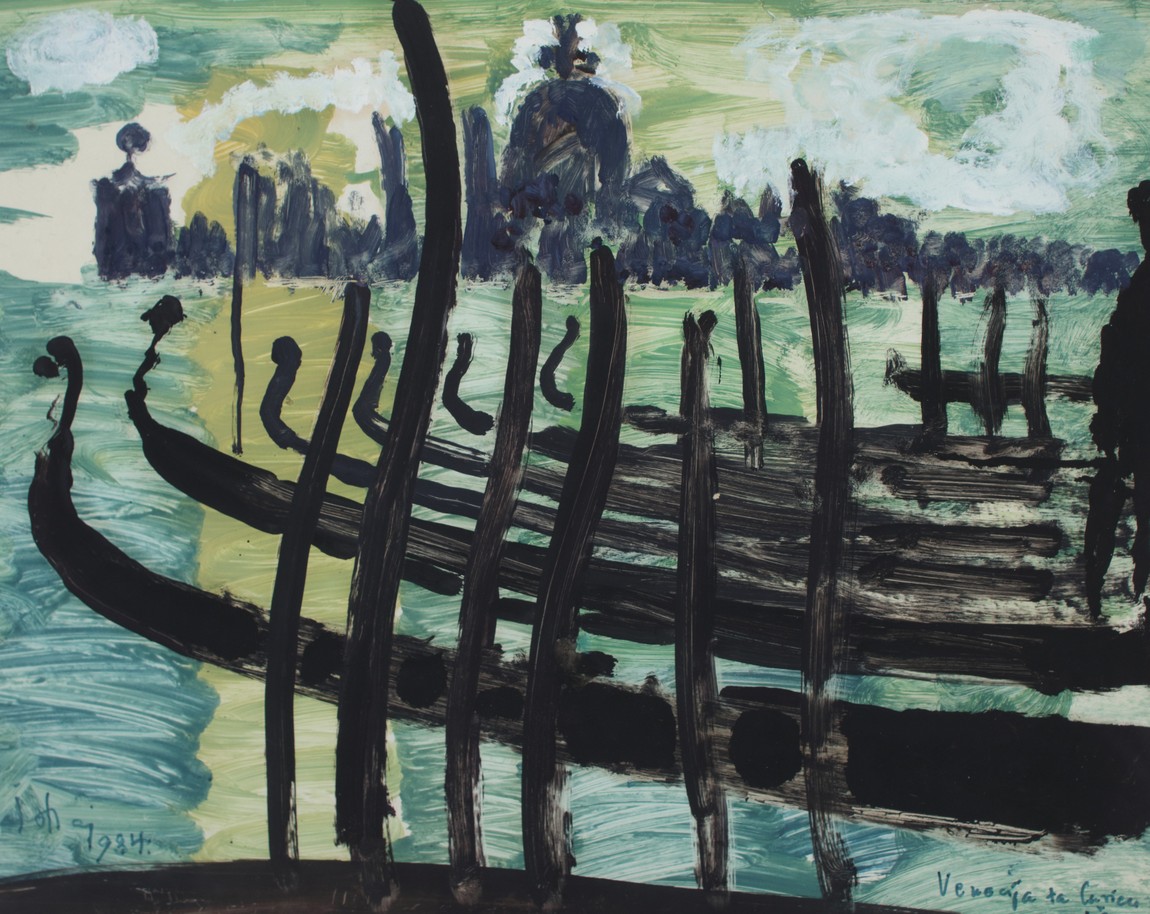
Slavko Šohaj, Venice, 1984

Slavko Šohaj
Venice, 1984
tempera on paper
48.5 × 60.5 cm
MG-7506

Slavko Šohaj (1908–2003) graduated from the Academy of Fine Arts in Zagreb in 1931, where he studied under Ljubo Babić (1890–1974) and Vladimir Becić (1886–1954). He continued his artistic training in Paris from 1931 to 1932 and returned there again in 1939. In 1934, he participated as a guest exhibitor with the Group of Three. From 1935 to 1965, Šohaj worked as an art associate of the Archaeological Museum in Zagreb, and in 1977 he became a member of JAZU (today the Croatian Academy of Sciences and Arts – HAZU).
His painting is distinguished by a coloristic virtuosity within a realist idiom characteristic of the mid-20th century, with a clear homage to the legacy of Paul Cézanne (1839–1906) and Henri Matisse (1869–1954). Šohaj’s inclination toward improvisation is particularly evident in his works in colored drawing, watercolor, and gouache.
This group of works includes Venice by Slavko Šohaj from 1984, which follows the grammar of coloristic and formal minimalism. The composition is marked by a finely rhythmic, geometrized, and abstracted syntax of parallel gondola curves, intersected at right angles by the characteristic vertical wooden posts marking navigation routes. This structure frames the well-known silhouette of the city, dominated by the dome of the church of Santa Maria della Salute, rendered in dark tones.

Text: Ivana Rončević Elezović, PhD, Museum advisor at the National Museum of Modern Art © National Museum of Modern Art, Zagreb
Photo: Goran Vranić / National Museum of Modern Art, Zagreb

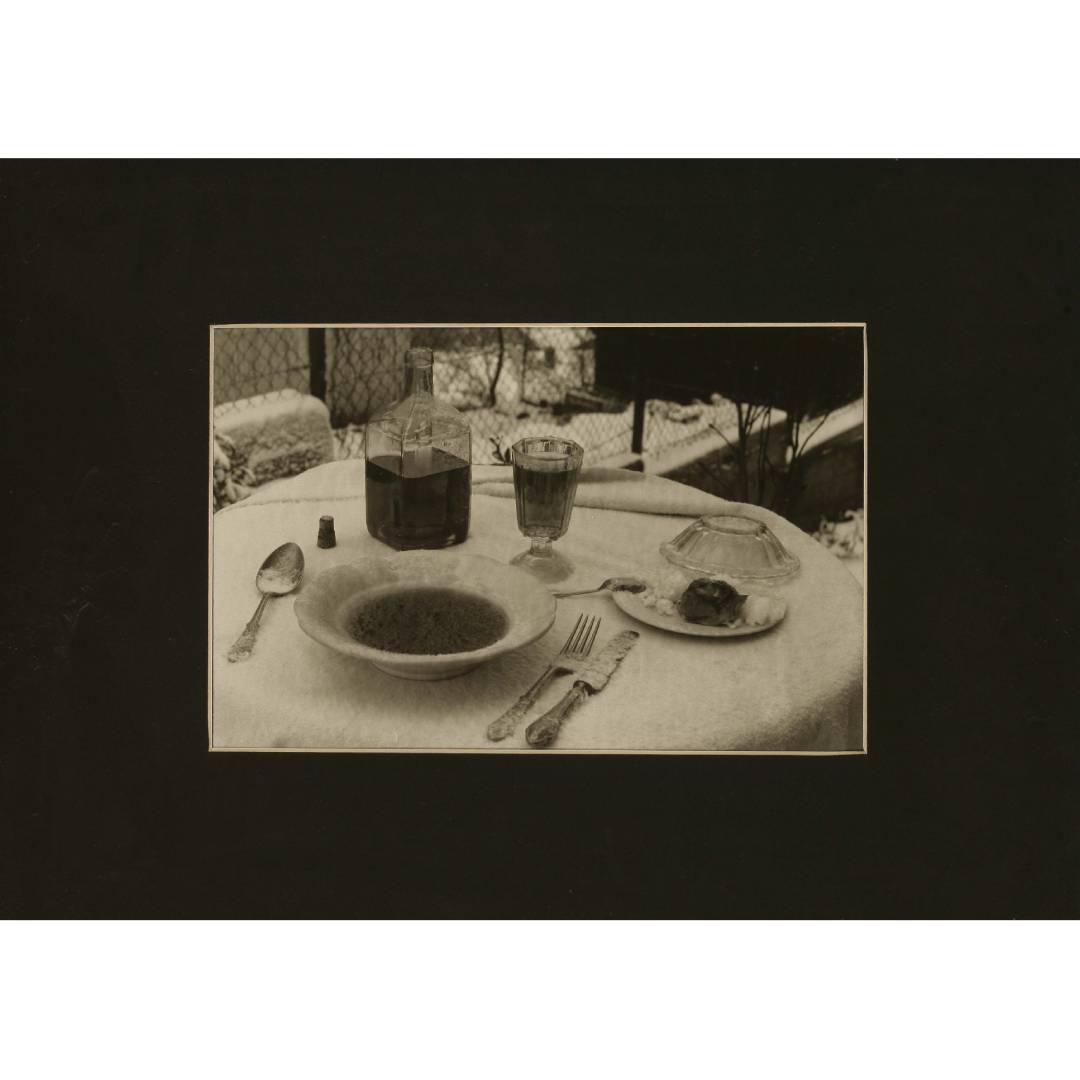
Josip Klarica, Still Life on Which the First Snow Fell, 1985

Josip Klarica
Still Life on Which the First Snow Fell, 1985
black-and-white photograph, paper
196 × 295 mm
MG-6866

Josip Klarica (Belgrade, 1946 – Zagreb, 2020) was one of the most important Croatian artistic photographers. He studied photography at the School of Applied Arts in Zagreb and film cinematography at the prestigious FAMU in Prague, where he formed a close relationship with photographer Josef Sudek (Kolin, Czech Republic, 1896 – Prague, 1976). Klarica was renowned for his black-and-white photographs of still lifes, portraits, and landscapes, imbued with a surreal and meditative atmosphere.
In his work, he used antique cameras, including a camera obscura and a self-reconstructed panoramic camera from 1845 based on the design of Friedrich von Martens (Venice, 1806 – Paris, 1885). He produced contact prints from his negatives, emphasizing the handcrafted and authentic nature of the photographic process. In addition to photography, Klarica was also engaged in film, advertising, and the research of historical photochemical techniques.
Among his most significant works is the photograph Still Life on Which the First Snow Fell, created as part of the series Still Life, which Klarica developed between 1976 and 1984. The series consists of sixteen carefully conceived photographs characterized by classical still-life motifs, harmoniously interwoven with elements of landscape and metaphysical reflections on space.
This photograph depicts a table covered with a tablecloth, set with a simple meal arrangement, a glass bottle, and a glass. In the background, an outdoor space covered in snow can be discerned, along with a fence and garden elements, lending the scene the atmosphere of a cold winter morning. The snow gently settling on the table enhances the sense of stillness and quietude that is characteristic of Klarica’s still-life cycle.

Text: Luciana Fuks, Curator for Museum Documentation at the National Museum of Modern Art © National Museum of Modern Art, Zagreb
Photo: Josip Klarica © National Museum of Modern Art, Zagreb

Dalibor Parać, Dusk, 1997

Dalibor Parać
Dusk, 1997
oil on canvas
117 x 140 cm
MG-7664

Dalibor Parać (Solin, 1921 – Zagreb, 2009) was a Croatian painter and medallist. He enrolled at the Academy of Fine Arts in Zagreb in 1940, studying under Omer Mujadžić and Krsto Hegedušić, and graduating from Ljubo Babić’s class in 1948. He completed advanced training with Babić in 1950 and collaborated with Krsto Hegedušić’s Master Workshop from 1950 to 1952. From 1952 to 1961 he taught drawing and calligraphy at the School of Applied Arts and Design in Zagreb, where he also served as director. In 1961, he joined the Academy of Fine Arts, teaching drawing and painting in the Graphic Arts and later the Painting Department, also serving as dean from 1971 to 1974. Although he retired in 1986, he continued working in his studio at the Academy until his death in 2009. He was a member of the Zagreb-based Forum Gallery from 1976 to 1993 and was recognised with the Annual and the City of Zagreb Awards in 1977 and 1993, as well as the Vladimir Nazor Lifetime Achievement Award.
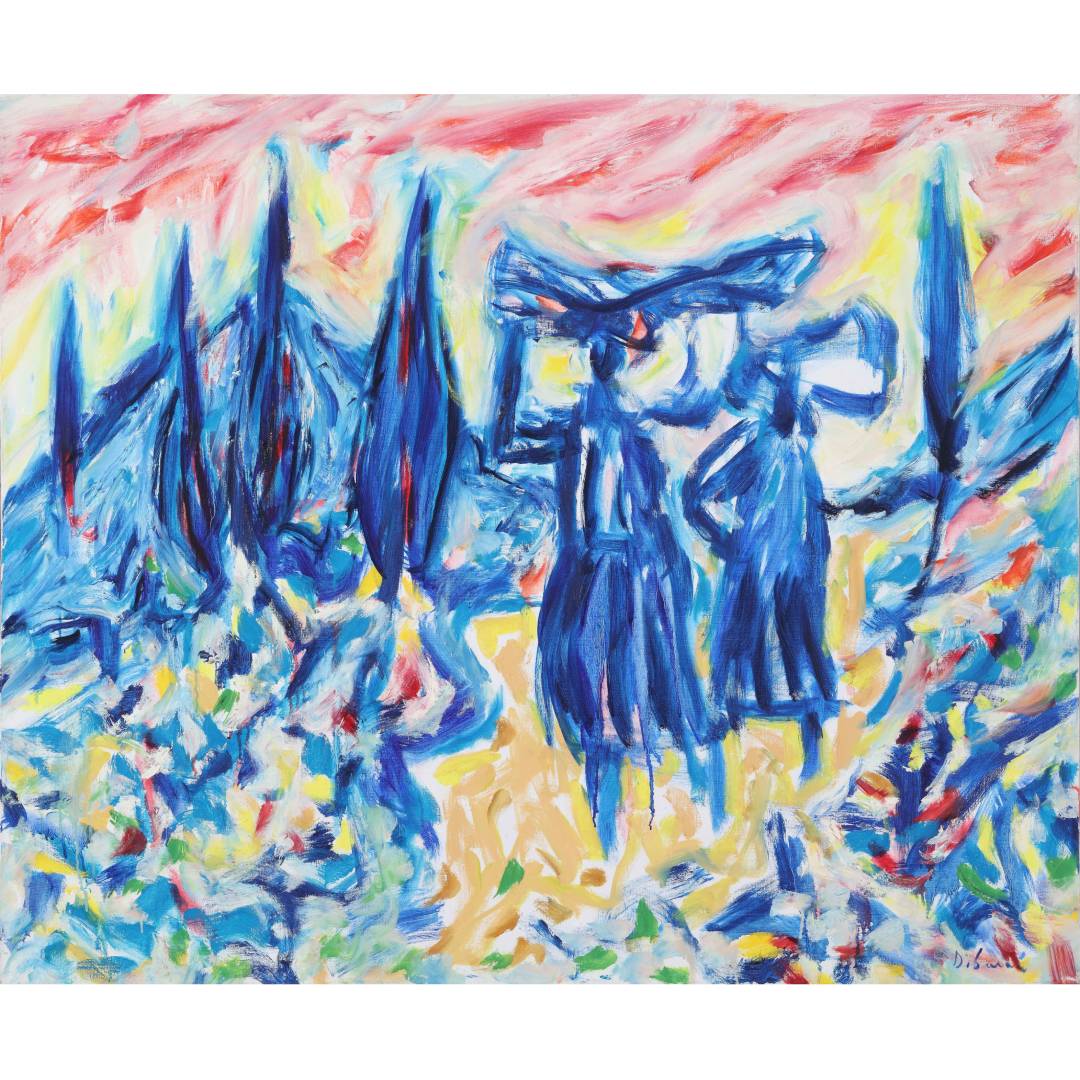
Parać’s Dusk (1997) portrays the slopes of Klis as a landscape of memory at twilight. Silhouettes of two women, carrying loads on their heads, are set against the cool tones of the surrounding scenery. While the palette is predominantly cool, the painting conveys a sense of intimacy with the place and moment, its warmth emerging from vivid touches of red and yellow. The interplay of cool and warm tones intensifies the emotional resonance of the scene, and Parać’s short, expressive brushstrokes transform it into a lively, dynamic depiction of everyday life – a harmonious blend of lyrical reflection, gesture, and light.

Text: Lovre Mrduljaš © National Museum of Modern Art, Zagreb
Photo: Goran Vranić © National Museum of Modern Art, Zagreb
Goran Vranić, Venice, 2009

Goran Vranić
Venice, 2009
(from the series Poetics of the Captured Lens)
color photograph, 50 × 70 cm
MG-8147

Goran Vranić (b. 1964) graduated from the Photography Department of the School of Applied Arts in Zagreb in 1983. His entire professional career has been closely connected with museums. From 1987 to 1996 he worked as Head of the Photographic Studio at the Museum of Arts and Crafts in Zagreb, and since then he has collaborated with prominent art historians and museum institutions on the production of exhibition catalogues and monographs. He has exhibited his artistic photographs in numerous solo and group exhibitions and has been a member of ULUPUH since 1993.
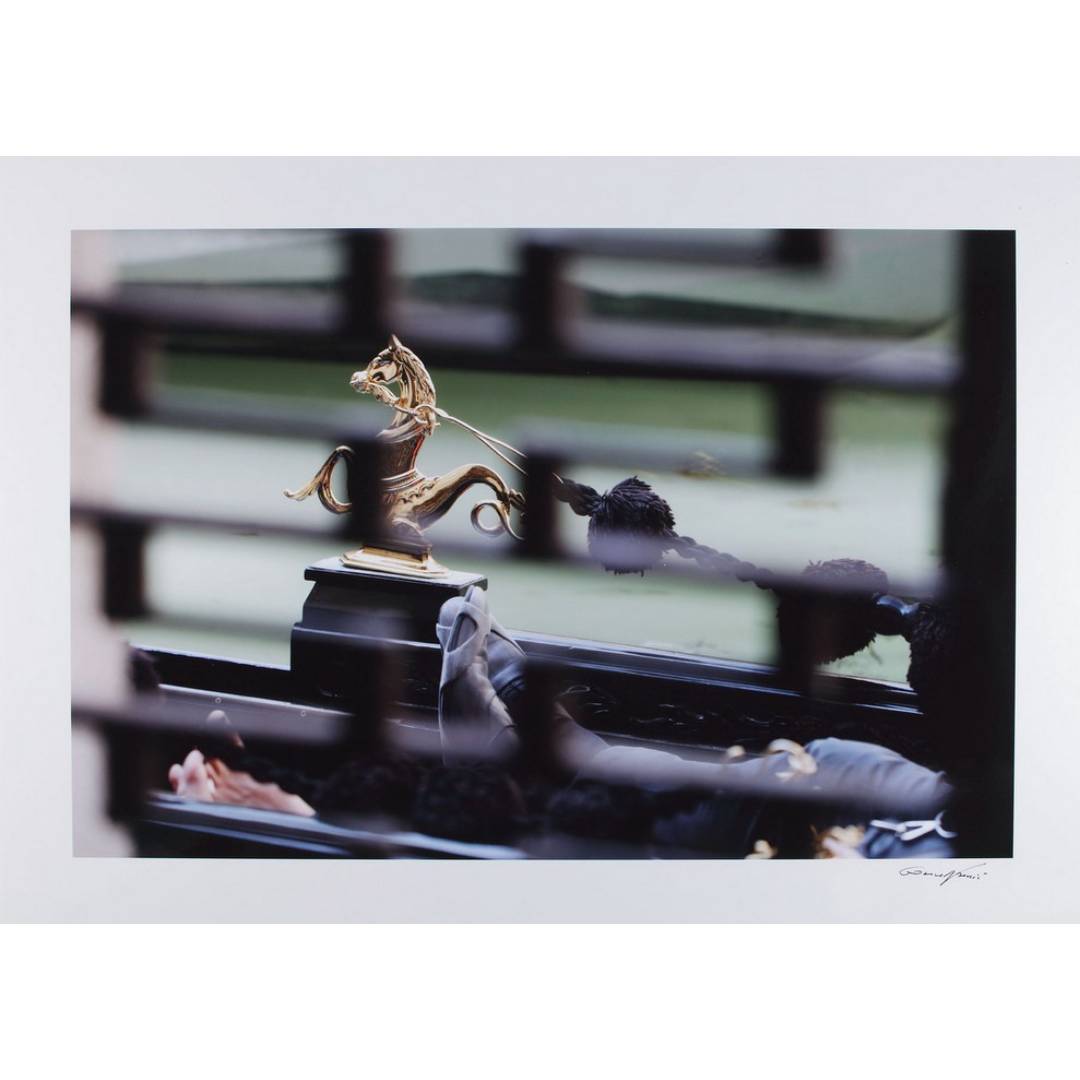
The series of eighteen photographs by Goran Vranić (b. 1964), Venice, 2009 (from the cycle Poetics of the Captured Lens), preserved in the National Museum of Modern Art, is particularly compelling. Through displaced framings of cropped fragments of contemporary (tourist) life in the mythical city—seen through the blurred outlines of iron railings in the foreground (like a prison or dungeon window framing the false charm of a genre scene of embellished realism)—the artist emphasizes motifs of kitsch and camp aesthetics, as well as the army of anonymous labor within the service sector, such as waitstaff and cleaners, operating in the background of this spectacle. Vranić’s series speaks of the banalization of a powerful myth through its mass consumption in contemporary consumer society, which tends to linger on the superficial, flat impression and rapid consumption, sparing not even the mythical city of Venice.

Text: Ivana Rončević Elezović, PhD, Museum advisor at the National Museum of Modern Art © National Museum of Modern Art, Zagreb
Photo: Goran Vranić / National Museum of Modern Art, Zagreb
Zlatko Gursky, First Snow, 1934

Zlatko Gursky
First Snow, 1934
black-and-white photograph
42.5 x 29.5 cm
MG-6904

Zlatko Gursky (Karlovac, 1911 – Zagreb, 2002) was both a publicist and an art photographer. After completing his studies at the Faculty of Medicine in Zagreb in 1939, he played a key role in organising healthcare services in the Karlovac region until 1950, while also delivering popular science and educational lectures on health and hygiene. In 1961, he travelled to Germany to specialise in medical photography. From 1950 until his retirement in 1966, he led the Laboratory for Medical Photodocumentation at the Surgical Clinic of Zagreb’s Faculty of Medicine. Alongside his medical work, Gursky pursued art photography, and his drawings and photographs illustrated numerous medical textbooks and articles.
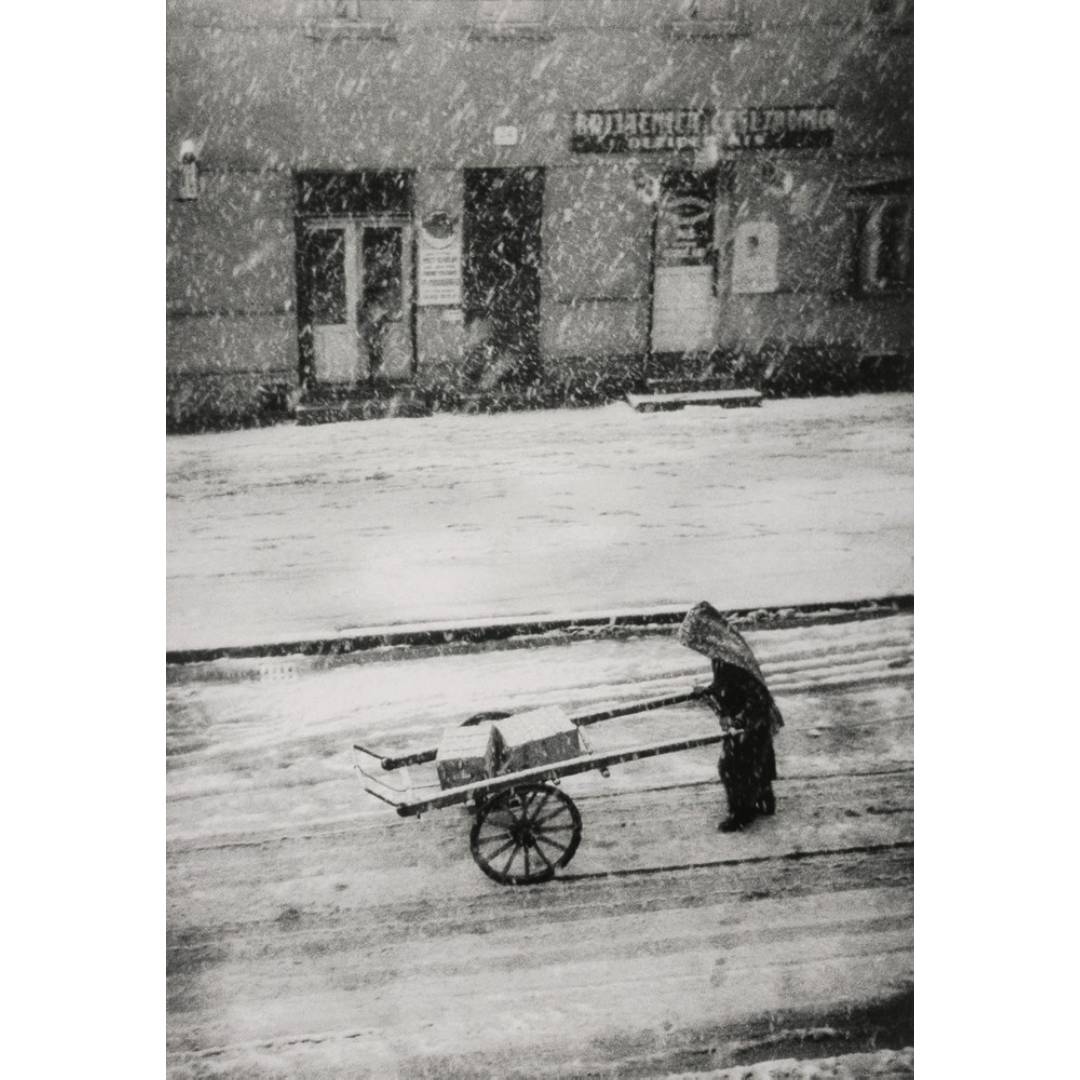
Gursky’s First Snow (1934) captures the quiet freshness of a winter morning through a delicate interplay of light and shadow. The photograph conveys the serene stillness of the season’s first snowfall, with the snow’s pristine whiteness set against the muted greys of a background building and a lone figure pushing a cart along the street’s centre. The horizontal perspective and careful compositional rhythm reflect Gursky’s sensitivity to the aesthetic nuances of everyday life. First Snow intertwines the poetry of ordinary interwar daily life with Gursky’s contemplative approach to both art and documentary photography.

Text: Lovre Mrduljaš © National Museum of Modern Art, Zagreb
Photo: Zlatko Gursky © National Museum of Modern Art, Zagreb
Slavko Kopač, Flower Seller II, 1973

Slavko Kopač
Flower Seller II, 1973
mixed media, 146 × 114 cm
MG-3947

Slavko Kopač (1913–1995) one of the most significant Croatian modern artists with an international career, working at the intersection of Art Brut, Surrealist painting, and Art Informel. In his 1952 book Un Art Autre, Michel Tapié ranked Kopač among the greatest artists and pioneers of raw art. After graduating in 1937 under Vladimir Becić, Kopač initially worked in the spirit of Post-Impressionist realism, later drawing on the expressive legacy of Miroslav Kraljević and the colouristic facets of Ljubo Babić’s circle, including Ljubo Junek.
During his stay in Italy (1943–1948), he produced impressionistic views and watercolours close to Surrealism. Rejecting realism and academic conventions, he developed an elemental and primary mode of expression—one of the foundations of Art Brut. From 1948 onward, he lived in Paris, where the founder of Art Brut, Jean Dubuffet, appointed him secretary and curator of the Art Brut Collection. He held these positions until 1975, when the collection was transferred to Lausanne.
André Breton entrusted him with the visual design of the limited edition of his poem Un regard des divinités (1949). Kopač also contributed to the Almanach Surréaliste du Demi-Siècle (1950) and exhibited at Breton’s gallery À l’Étoile scellée in 1953. Employing new materials, he created paintings and sculptures using sand, rubber, and metals, as well as stone, wood, paper, glass, and charcoal.
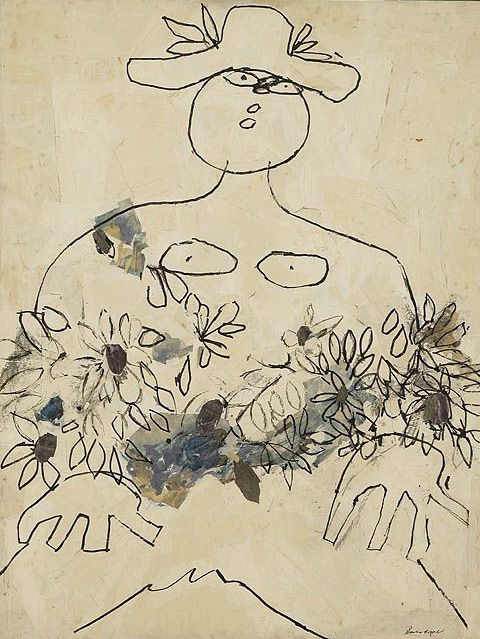
He rendered human figures, imaginary beings, plants, and animals in a primitivist manner, marked by ludic qualities and primordial principles. Flower Seller II (1973) exemplifies this rudimentary and playful approach, closely related to children’s art. Executed in line and mixed media, the work presents a unique grotesque image of a woman, functioning as a paradigm of primitivist art.

Text: Željko Marciuš, senior curator at the National Museum of Modern Art © National Museum of Modern Art, Zagreb
Photo: Goran Vranić © National Museum of Modern Art, Zagreb